Kath-kuni comes back
Kath-kuni comes back
The old way of building in stone and cedar survived earthquakes for centuries. A few young builders want to learn it.
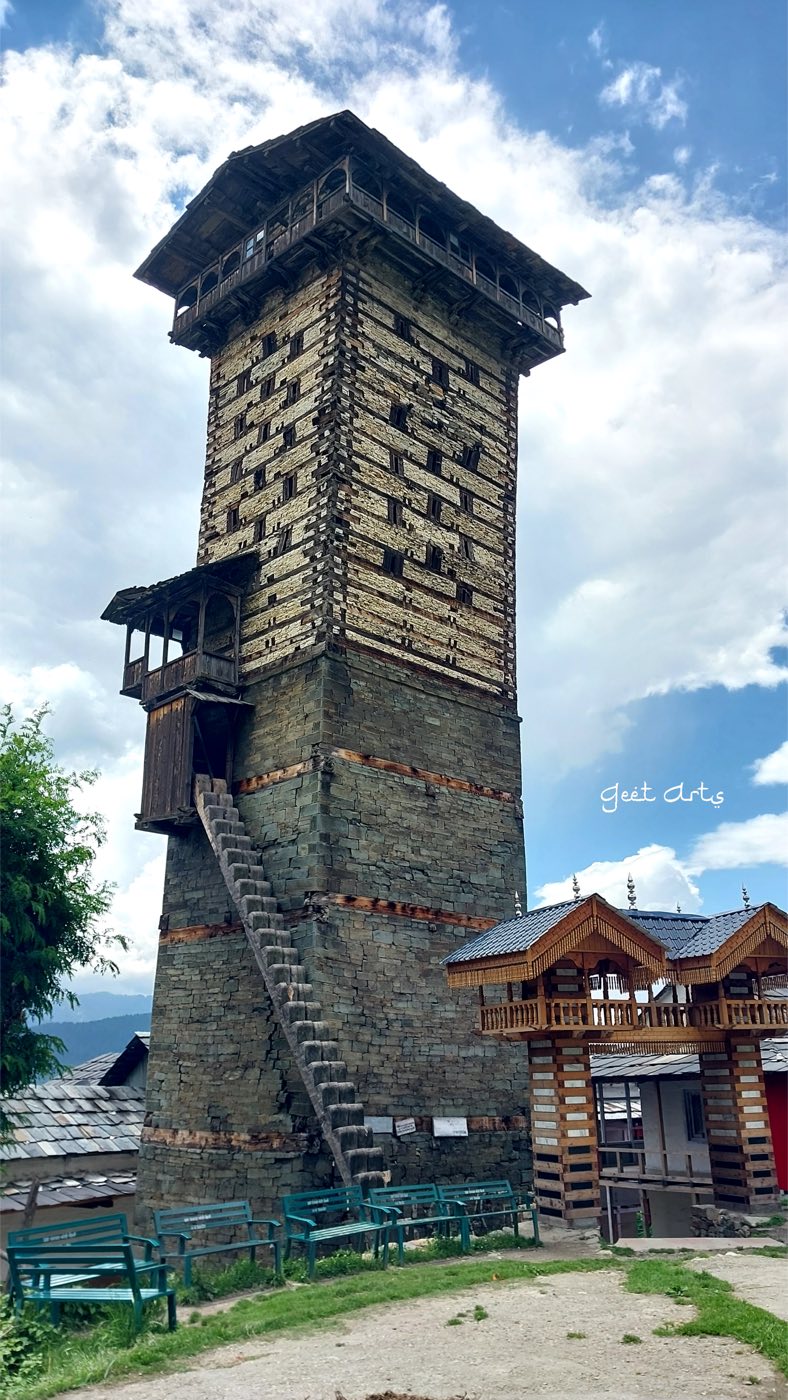
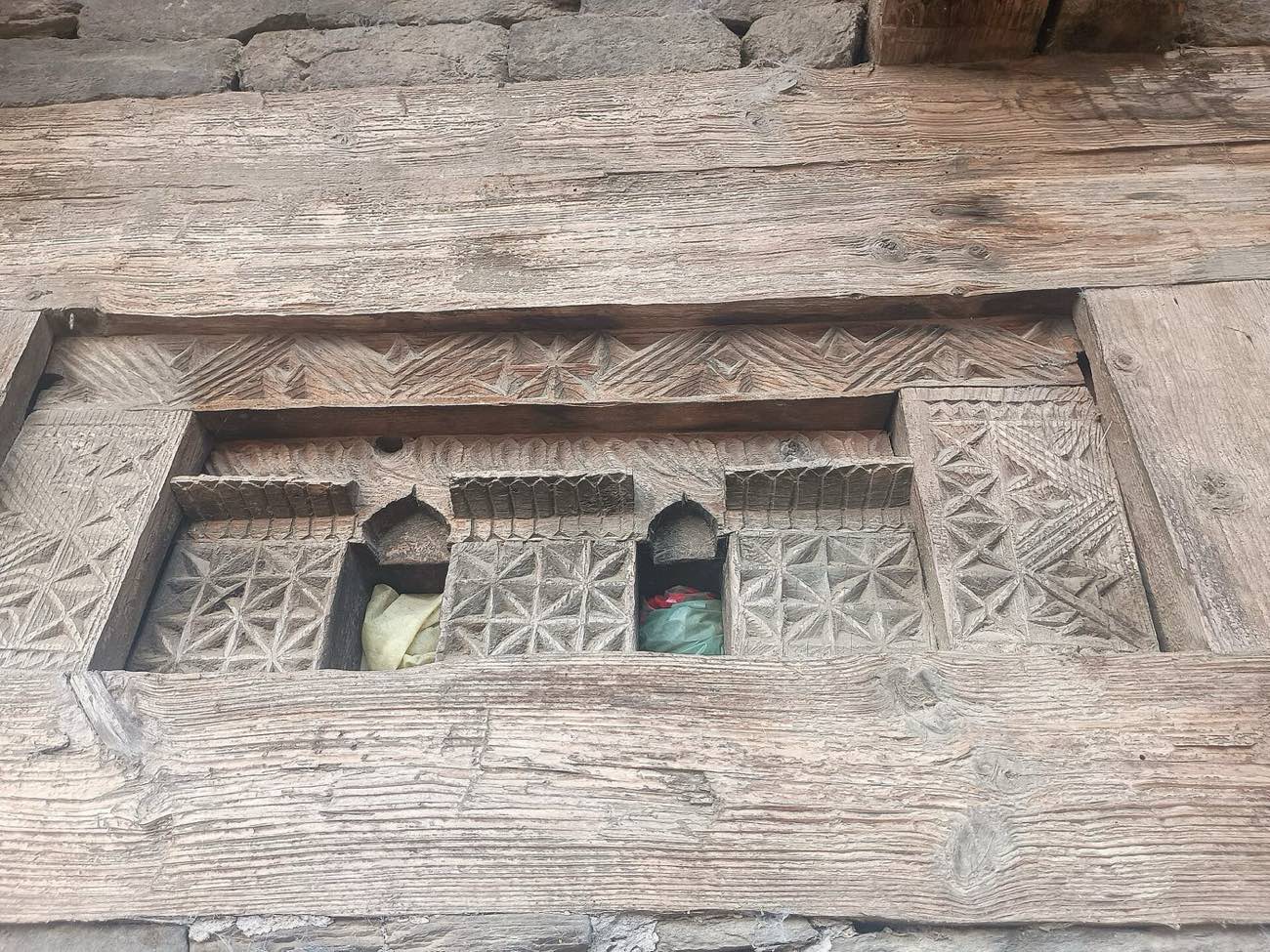
A kath-kuni wall is built in courses: a layer of dressed stone, then a beam of deodar, then stone again, with no mortar and no nails. The timber holds the stone together and lets the wall flex.
For most of the last fifty years, houses in the hills have been built in concrete, which is quicker and needs no cedar. The old houses that remain are the ones that came through the earthquakes.
In a village above Banjar a carpenter in his sixties has taken on three apprentices, all under twenty-five, to build a house the old way for a family that asked for it.
The hard part, he says, is not the joinery but the timber: seasoned deodar is scarce and needs a permit. The apprentices are learning to reuse beams from houses that are coming down.
The house will take two years. The family plans to live on the ground floor and keep the animals' old room for storage, as their grandparents did.
Seen something happen?
Send it to our newsroom on WhatsApp, with photos.
Send a news tip